A hyperlapse of the ~4hour drive from San Francisco to Shasta Lake in California. Shot on Rivian Drive Cam. Details for getting usable footage from that here. Edited in DaVinci Resolve.
MUNI is headed for a ~$300 million deficit over the next couple of years. A small part of this is my fault. I live where I do for easy access to public transport. I used to take the 28 to work at least three times a week before the pandemic but like many people in San Francisco I now work from home. That's only part of the story though. MUNI decided to let kids ride free, and this is about 15% of their ridership. Many people over 18 decide not to pay as well, and fare dodging is reportedly around 20%. Over a third of passengers are not paying at this point.
As recently as 2021 fares were almost 20% of MUNI's revenue. In the 2024-2025 budget that's down to 8%, $108 million out of a $1.4 billion dollar budget.
In the short term MUNI has to reverse the trend on fares. My kids can afford to pay (at least I can) and a transit system in crisis should not be subsidizing my family's commute. MUNI has added more fare inspectors, and maybe that would help, but other steps could be taken here. MUNI fare gates don't check that you've paid on exiting the system - why not? Busses could enforce boarding at the front and producing payment or proof of payment. We can't have one fifth of users skipping payment. Also, the diverse range of payment methods removes any social pressure to pay. If I board and sit down without tagging I could be a fare dodger or I could have bought and used a mobile pass.
Longer term we need to be less embarrassing. You can't have an It All Starts Here campaign and then install whatever these ugly things are. We're also going to spend $200 million replacing the floppy disks that run light rail (maybe with laserdiscs?). San Francisco is the heart of the AI revolution. We take driverless cars instead of Ubers. MUNI's ballooning costs are largely people. At the very least the light rail system should be fully automated.
As ever a brutal slate of propositions to decide on for the election. I've been blogging my choices since 2012 so I have a decent archive at this point and decided to automate. I built a custom GPT from the 300 page voter guide and my previous ballot measure related posts. I then interviewed the GPT on each proposition, asking for a summary, related issues that I have voted on previously and then a concise recommendation based on my voting history. I've made some light edits and it can be a bit salesy at times, but I think it's captured the right angle on everything. If you want more detail you can chat with it here.
A: Schools Improvement and Safety Bond
Proposition A is a $790 million bond measure for the San Francisco Unified School District, aimed at making critical upgrades to aging infrastructure, including seismic retrofitting, classroom modernization, and technology improvements. While concerns about past financial mismanagement in the district are valid, the need for safe, functional school facilities is undeniable. A strong education system requires investment, and Proposition A offers a targeted, practical way to address overdue infrastructure needs without raising taxes. Vote Yes on Proposition A to ensure our schools are safe, modern, and capable of meeting students' needs.
B: Community Health and Medical Facilities, Street Safety, Public Spaces, and Shelter to Reduce Homelessness Bond
Proposition B - Yes. This $390 million bond measure will fund necessary upgrades to health facilities like Zuckerberg SF General and Laguna Honda, improve street safety, and create housing for homeless families. It’s a no-brainer to support critical infrastructure improvements that will protect public health and ensure our medical centers are earthquake-safe. The homelessness crisis also demands urgent attention, and this bond promises over 2,300 new units without raising taxes. Past measures focusing on safety, health, and homelessness have garnered my support, and with strong oversight and no new taxes, this is an easy "Yes."
C: Inspector General
Proposition C would create an independent Inspector General within the Controller’s Office to investigate fraud, waste, and abuse in city government. This measure gives the Inspector General the necessary powers, including the ability to subpoena records, to effectively hold city officials and contractors accountable. Given the numerous scandals in recent years, establishing a robust oversight mechanism is crucial for restoring trust in our government. In the past, I've consistently supported reforms that promote transparency and accountability, and this measure is no exception. Vote YES to combat corruption and strengthen oversight in San Francisco.
D: City Commissions and Mayoral Authority
Proposition D seeks to reduce the number of city commissions and grant the Mayor greater authority to appoint and remove department heads without Board of Supervisors' confirmation. While the measure promises efficiency and cost savings, it concentrates too much power in the Mayor's office, diminishing vital checks and balances. The proposed elimination of commissions also weakens public oversight and community involvement in city governance. In the past, I’ve consistently voted to safeguard accountability and ensure broader public participation in government decisions. For these reasons, I recommend voting NO on Proposition D.
E: Creating a Task Force to Recommend Changing, Eliminating, or Combining City Commissions
Proposition E establishes a Commission Streamlining Task Force to review San Francisco’s numerous commissions and recommend changes, including consolidations and eliminations, to improve efficiency. While we must safeguard public oversight, the measure carefully balances reform with maintaining critical functions by allowing the Board of Supervisors to block any overreach. Given the bloated state of city commissions and the need for responsible governance, this is a measured step towards improving accountability and cutting redundancy. Vote Yes on Proposition E for smarter, more efficient government.
F: Police Staffing and Deferred Retirement
This measure would reintroduce a Deferred Retirement Option Program (DROP) to allow senior police officers to defer retirement while earning pension benefits, with the aim of addressing San Francisco's police staffing shortages. However, the program echoes the failed 2008-2011 DROP, which was discontinued due to high costs and minimal impact on staffing levels. The projected $600,000 to $3 million annual cost burden for the city, combined with the likelihood of "double-dipping" by officers, makes this a fiscally irresponsible solution. I recommend voting No on Proposition F, as it represents another costly and ineffective attempt to fix a complex issue.
G: Funding Rental Subsidies for Affordable Housing Developments Serving Low Income Seniors, Families, and Persons with Disabilities
Proposition G establishes the Affordable Housing Opportunity Fund to provide rental subsidies for extremely low-income seniors, families, and persons with disabilities, funded by at least $8.25 million annually from the City starting in 2026. The measure aims to bridge the gap between affordable housing costs and what these vulnerable groups can afford. I recommend voting Yes on Proposition G. It offers a targeted solution to address San Francisco’s housing crisis for the most vulnerable, aligns with past support for social safety net measures, and ensures long-term investment in affordable housing without jeopardizing the City’s budget stability.
H: Retirement Benefits for Firefighters
This measure seeks to lower the retirement age for firefighters hired after 2012 from 58 to 55, aligning their benefits with those hired before that date. While fairness across hire dates is important, we must remember why the 2011 pension reforms were implemented: to ensure the long-term financial stability of the city's pension system. Undoing those reforms now, at a cost of millions, risks repeating the mistakes of the past, particularly as San Francisco still faces significant fiscal challenges. Firefighters already receive some of the highest compensation in the Bay Area, and rolling back these necessary reforms would be irresponsible. Vote NO to protect San Francisco's financial future.
I: Retirement Benefits for Nurses and 911 Operators
Proposition I seeks to extend retirement benefits to Registered Nurses and 911 dispatchers by allowing nurses to purchase additional service credits and moving dispatchers to a more generous pension plan. While the city is facing staffing shortages in these vital roles, the measure increases pension liabilities by $3.8 to $6.7 million annually at a time when San Francisco already has a $790 million budget deficit. Similar to past pension-related propositions, I oppose expanding benefits that deepen our financial obligations without addressing the structural issues that contribute to these shortages. San Francisco needs fiscal responsibility and long-term solutions, not quick fixes that will only worsen the city's budget woes. Vote No on I.
J: Funding Programs Serving Children, Youth, and Families
Proposition J creates the "Our Children, Our Families" initiative to improve oversight of City funds supporting children, youth, and family services. It increases accountability by requiring annual reports and a comprehensive five-year spending plan for key funds like the Public Education Enrichment Fund (PEEF). Given my strong support for past measures that prioritize stable, dedicated funding for children and family programs, this proposition is a natural continuation of ensuring our city’s resources are used effectively for the next generation. Vote YES to strengthen oversight and maximize the impact of these crucial services.
K: Permanently Closing the Upper Great Highway to Private Vehicles to Establish a Public Open Recreation Space
Yes. This measure will permanently close the Upper Great Highway to private vehicles, converting it into public recreational space. Exceptions will be made for emergency and official vehicles, creating a safe, car-free area for walking, biking, and other activities. In the past, I’ve supported keeping spaces like JFK Drive in Golden Gate Park closed to cars, and this is no different. Let’s protect our coastline, reduce traffic, and keep this beautiful area open for everyone to enjoy without the disruption of cars.
L: Additional Business Tax on Transportation Network Companies and Autonomous Vehicle Businesses to Fund Public Transportation
Yes. Proposition L proposes a business tax on transportation network companies (TNCs) like Uber and Lyft, as well as autonomous vehicle businesses, to fund Muni's services. The tax would ensure these companies contribute to maintaining San Francisco's public transit system, which is critical for reducing traffic congestion and emissions, while protecting Muni services from cuts. Given the City's need for reliable public transportation, especially for vulnerable communities, this measure is a step towards making large businesses pay their fair share without passing the burden onto riders.
M: Changes to Business Taxes
Proposition M proposes changes to the business tax structure in San Francisco, increasing the small business exemption, simplifying tax categories, and adjusting rates on gross receipts, homelessness taxes, and administrative office taxes. While this measure aims to reduce tax burdens on smaller businesses, it also results in a significant short-term revenue loss—approximately $40 million annually until 2027. Given my consistent opposition to tax breaks that disproportionately benefit larger businesses while undermining essential public services (especially on previous homelessness and public health measures), this measure represents a dangerous gamble with city revenue. San Francisco cannot afford to lose crucial funds for services that need more support, not less. Vote NO on Proposition M.
N: First Responder Student Loan and Training Reimbursement Fund
This measure proposes the creation of a fund to reimburse first responders for student loan and training expenses, up to $25,000 per employee. While supporting first responders is vital, this measure introduces new financial obligations without a mandatory funding source, risking future taxpayer burdens. Similar to past pension-related measures, it offers a short-term fix for retention issues but fails to address systemic salary improvements or broader fiscal sustainability. For these reasons, I recommend a No vote on Proposition N.
O: Supporting Reproductive Rights
Proposition O affirms San Francisco’s role as a leader in protecting reproductive rights by expanding access to crucial reproductive health services, including abortion and emergency contraception. It establishes a city-maintained website listing providers and ensures transparency by requiring signage at facilities that do not offer these services. Additionally, it protects patient confidentiality from out-of-state inquiries and supports reproductive health funding. Given my consistent support for individual freedoms and opposition to government overreach in personal health matters, a Yes vote on Proposition O is a clear choice to safeguard reproductive rights in San Francisco.
Updated 2024-10-20 00:28:
This is a podcast version of the post created using NotebookLM.
There is some debate in San Francisco at the moment around permanently closing the Great Highway to traffic.
This road was closed during the pandemic and I regularly visited with my kids to enjoy a bike ride in a safe and beautiful environment. There were also 'slow streets' dotted around the city, many of which persisted. These still have cars and parking and are much less compelling.
Opponents of the plan are concerned that traffic displaced from the Great Highway will make neighborhood streets more dangerous. The hope is that this traffic will shift to Sunset Boulevard but the reality is likely some increased traffic in the Outer Sunset. This seems like a reasonable complaint, but so far I haven't seen any data. Since August 2021 the Great Highway has been closed weekends, holidays and Friday afternoons. Is it possible to see the impact?
I downloaded injury accident and fatality data from Data SF. This covers the entire city so I first cut the data set down to an area bounded by the Great Highway and Sunset Boulevard (including both) and Lincoln Way and Sloat (excluding both). I then picked a pre period from May 28, 2017 to February 29, 2020 and a post period from September 1, 2021 to June 4, 2024. Both periods are 1,008 days which is 36 28 day periods. Here's a chart of injury accidents (number of people injured in total) by week day:
The good news is that injuries are down overall. Monday through Friday the total decrease is 26%. When the Great Highway is closed at the weekend the number of injuries decreases by 44%. It looks like the streets have got safer when the Great Highway is closed. Before the pandemic you would be 14% more likely to get injured at the weekend, for the last few years this has flipped to 14% less likely.
I also looked at deaths. There are only two, both in the post period. One was on a Saturday and one a Monday. That's not enough data to try and draw any conclusions.
Given how nice that stretch of road is, I'm now a big supporter of the Great Highway Park concept.
In case it's useful here's the code behind the analysis:
I recently released my San Francisco Budget GPT. This is based on open data from DataSF, and while it can answer many questions it helps to have enough context to know what to ask. The published dataset has a data dictionary but it can be frustratingly vague. As well as the downloadable data there is a helpful site where you can generate some reports. This post should help fill in some of the gaps.
Overview
Budget data is available from the 2009-2010 to the 2024 to 2025 fiscal years (which run from July 1 to June 30). In the file the fiscal year is at the end of the period. Every dollar has a source and a use, there is a 'Revenue or Spending' column that is Revenue for sources and Spending for uses. The actual dollar values are in a 'Budget' column. There are three hierarchies that allow you to analyze the data - organization, object and fund. Each hierarchy has three levels, and each level has a code and a description. For the rest of this post I'm using data from the 2023-2024 fiscal year.
The total budget for 2023-2024 is $14.6 billion dollars. That's a little hard to put into context. On the one hand it's about two dimes for every week the universe has existed. On the other, it's only a quarter of Elon Musk's Tesla bonus.
Organization Hierarchy
This is the organizational structure of the city - Organization Group, Department and Program. One example is Public Safety, Police, Operating. Here's the full Organization Group and Department structure:
Organization Group and Department
(A quick note on charts - there is a lot of information to present here. Each chart has a full screen button at the top right and I recommend using this to see the most detail. Charts also have tooltips and so you'll have a much better time with this post if you use a big screen and a mouse. On sunburst (nested pie) charts click any segment to filter to that parent only.)
I haven't included Program here. It sounds like it should be useful, the data dictionary says: "For example, the Police Department has programs for Patrol, Investigations, and Administration." But it doesn't:
Police Department Programs
Maybe this worked at some point, but it's not a lot of help for the current year (It's a bit of a mystery, but not like that time I found out someone redistricted the Farallon Islands.)
It's also helpful to know that the department code has been prefixed to every department. So in the data the Police Department is 'POL Police'. This doesn't seem to happen elsewhere in the dataset. It probably helps to find monstrosities like 'MTA Municipal Transprtn Agncy' because we presumably can't find the spare change for longer column names.
Object Hierarchy
My favorite hierarchy is what we're spending money on at a reasonably granular level, broken down into Character, Object and Sub-object. This works both ways and you can look up sources as well as uses. An example on the revenue side is 'Fines, Forfeitures & Penalties', 'Traffic Fines', 'Traffic Fines - Parking' ($98 million).
Character, Object, Sub-object for Revenue
Character, Object, Sub-object for Spending
Sub-objects for the Police Department
While Program doesn't work, Sub-Object allows us to break down Police department spending in more detail:
Fund Hierarchy
Last but not least the fund hierarchy is where the money comes from. The three levels are Fund Type, Fund and Fund Category. As with objects you can also use this on the Spending side to see where funds are being spent.
Fund Type is critical to understanding the budget. There are three main buckets - General Fund, Enterprise Funds and Special Revenue Funds. Enterprise Funds are for self funding departments, so while $1.2 billion of the budget is for San Francisco International Airport that's not coming out of my pocket. The General Fund is discretionary spending and Special Revenue Funds are dollars that have been restricted to specific uses, for example by the endless ballot measures that San Francisco and California are so fond of.
Fund Type and Fund
This treemap shows the first two levels of the fund hierarchy:
Fund Type to Organization Group
Lastly this chart shows the flow of Fund Types to Organization Groups for Spending, excluding Enterprise Funds:
I just published a San Francisco Budget GPT to the ChatGPT store. This is free to use, you just need an OpenAI account.
The chatbot is constructed from the 2010-2025 data available on DataSF, the most recent 2025-2026 budget draft and a five year revenue projection. I added some instructions to help interpret the data and I've tested against a range of queries. This is generative AI and so be cautious about what it says. It's pretty good when it can find the right data and will happily invent things if it can't.
Not that this is limited to chatbots. There was a lot of press yesterday around San Francisco being the worst run city in the nation based on this 'analysis' from WalletHub. They are dividing a measure of service quality by budget dollars per capita. This fails to take into account that San Francisco is a city and a county and so the budget includes county services like a Sheriff department. It also ignores that San Francisco runs an international airport and port, not paid for by taxpayers but still in the budget. And it doesn't adjust for regional differences in income that make services more expensive to provide (and higher total dollar taxes to provide them). So I'll take an occasional chatbot glitch over a willfully incurious press pushing out a PR piece that tickles their confirmation biases.
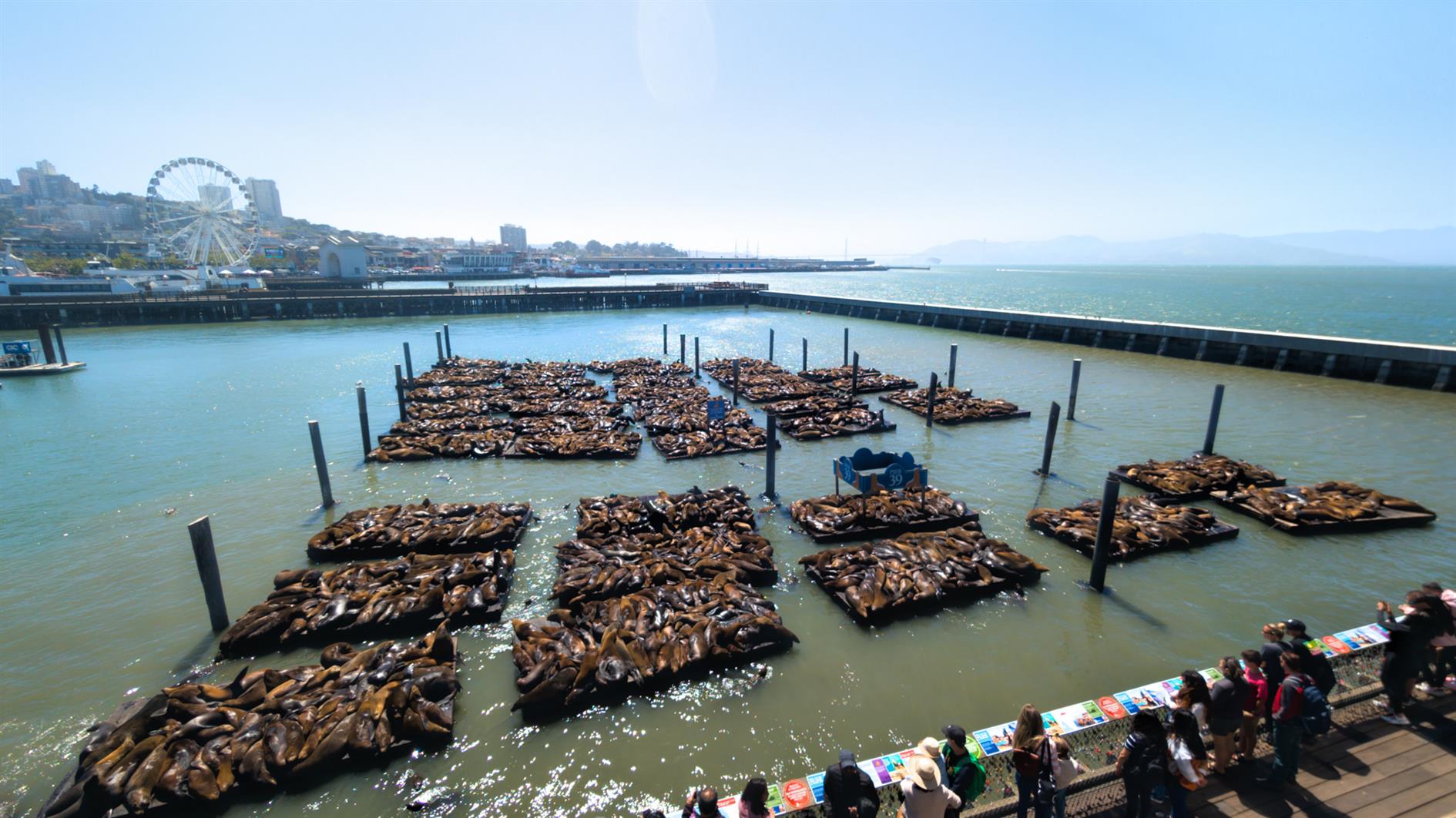
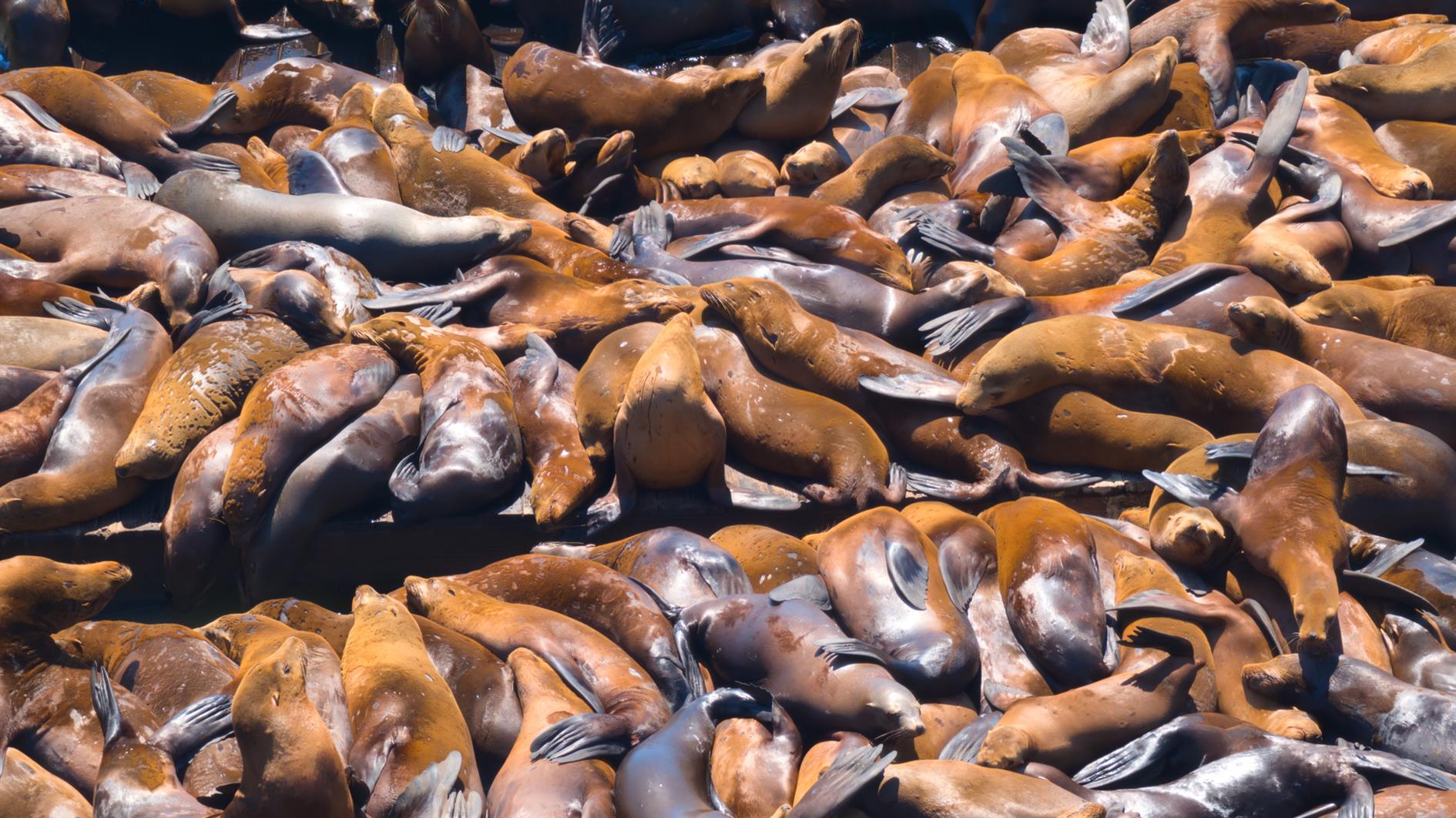
I heard that we have over 2,000 Sea Lions at Fisherman's Wharf and had to check it out. There are thousands of them sleeping off their anchovy comas, a handful swimming around, and overflow onto many nearby docks. Worth checking out.